The leap from the early generative models of 2022 to today’s frontier models has been staggering. We now have access to raw, unprecedented computational intelligence. But for enterprise leaders, the novelty has worn off. The mandate is no longer about marveling at what AI can write — it is about harnessing that power to drive real efficiency and measurable ROI.
Intelligence is abundant. Application is the constraint.
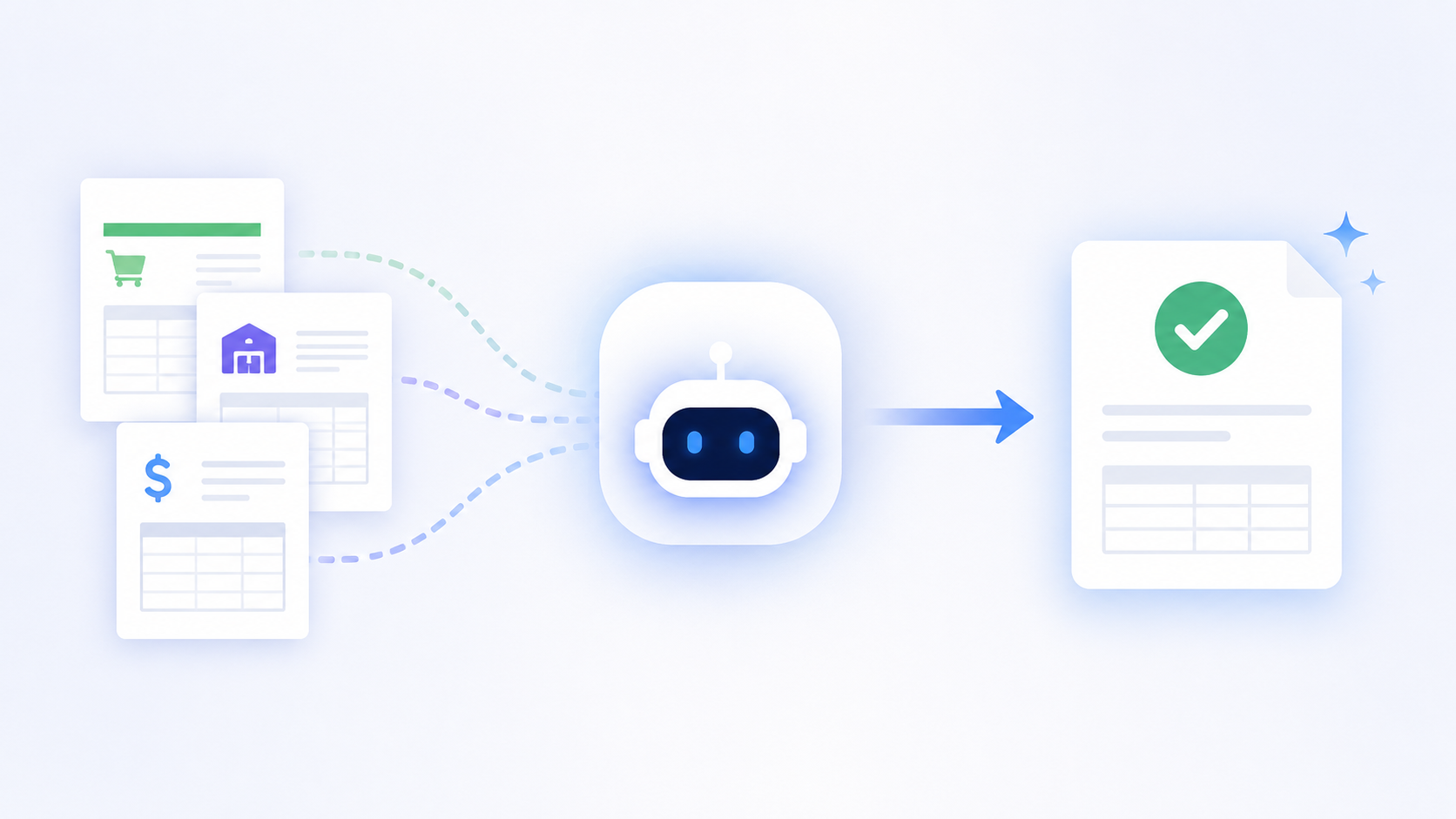
A brilliant but generalized AI knows everything about the internet and nothing about your specific business operations. To generate real value, intelligence needs a rigid framework: the right context, the right boundaries, and the right tools to execute specialized tasks safely.
That harness for AI agents is the critical missing link between experimental tech and enterprise-grade deployment.
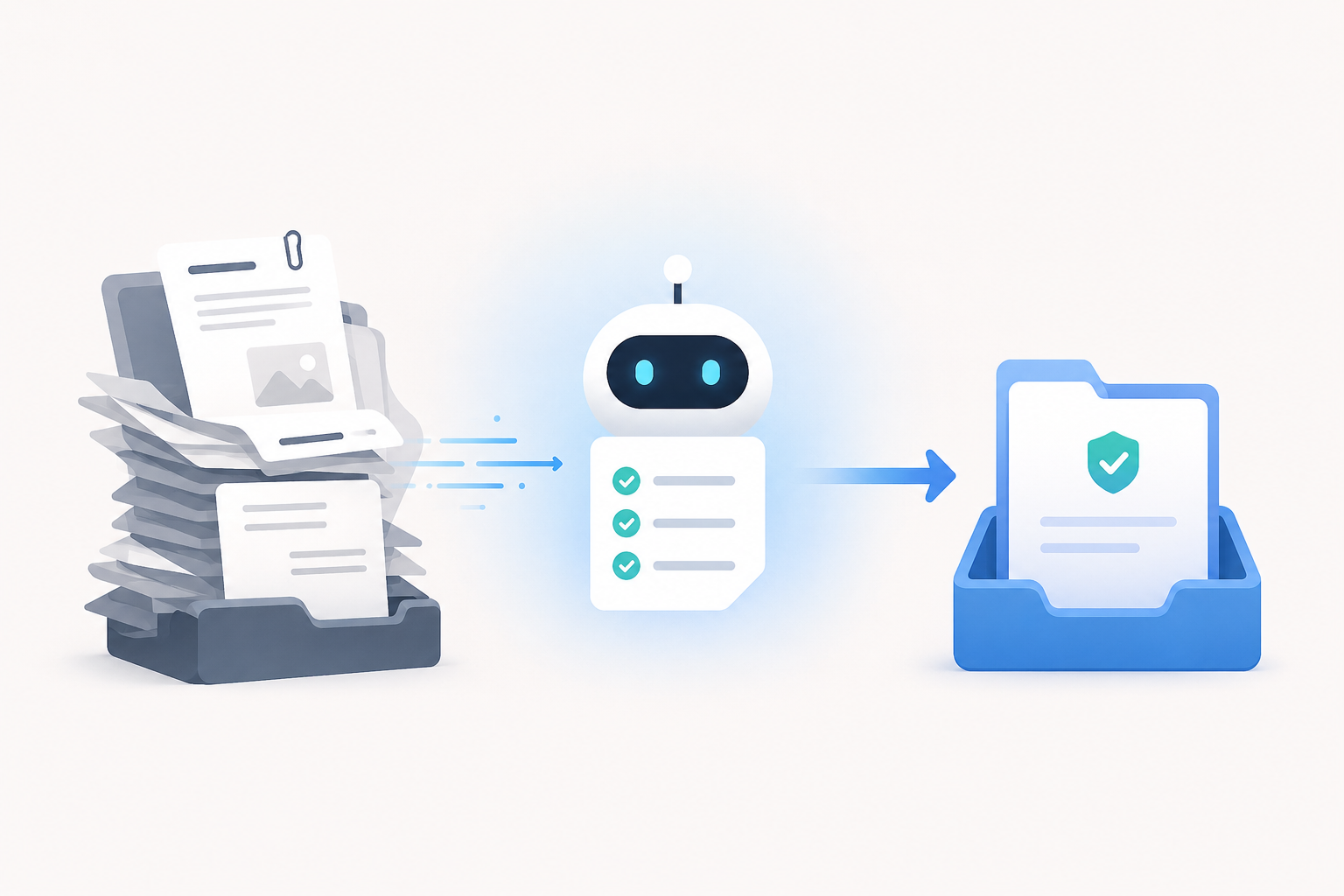
A harness is not a wrapper around a chat box. It is everything between the model and the work: what the agent knows, what it is allowed to touch, and what it leaves behind so the business can check it afterwards.
- Model
- Context
- Tools
- Guardrails
- Observability
- Business outcome
What the harness has to supply
- The company context a model was never trained on
- Tools that let it act, not just answer
- Boundaries on what it may reach and change
- A human in the loop where the risk is real
- A trace behind every step it took
- Cost attributed to the team that spent it
From one generic chatbot to a fleet of specialists
This is exactly why Xtremax built Chocolate Factory. The future of enterprise AI is not a single, generic assistant — it is a managed fleet of specialized AI employees, each pre-loaded with your company context and instructions.
A generalist assistant
One chatbot for everything
- Intelligence diluted across every task
- No grounding in your operations
- Opaque costs
- Hard to trust in regulated settings
A managed AI workforce
A specialist per job
- Each agent tuned to a distinct role
- Dedicated knowledge bases per agent
- Token costs visible per agent and project
- Guardrails robust enough for zero-internet environments
A specialist takes an afternoon, not a quarter
- 1
Name the job
Start from a role a person would recognise — claims triage, supplier onboarding, first-line IT — rather than from the technology.
- 2
Ground it
Attach the knowledge base, the databases, and the documents that job depends on, so answers come with a source instead of a guess.
- 3
Give it hands
Enable only the tools the role needs. Capability is granted deliberately, one tool at a time, and revoked the same way.
- 4
Put it under governance
Scope it to a project, set who may run it, decide which steps need a human, and let every run leave a trace.
Value shows up in the work nobody enjoys
| Function | The manual work today | What changes |
|---|---|---|
| Finance | Reconciling invoices across three systems | The agent matches, and surfaces only the exceptions |
| Customer service | Rereading policy before every reply | Grounded answers, with the policy quoted |
| Operations | Copying data between tools all day | A workflow that runs the same steps every time |
| Engineering | First-line triage and routing | Classified and routed before anyone opens the queue |
Three ways Chocolate Factory supercharges the business
Curated context and precision
Instead of diluting intelligence across the organization, each agent gets dedicated knowledge bases for distinct jobs — producing dramatically sharper insights.
Uncompromising security
A guardrail architecture robust enough for zero-internet environments keeps proprietary data secure, and it is never used to train the underlying models.
Granular cost control
Real-time visibility into token costs, broken down by specific agents and projects, prevents budget overruns before they happen.
The return compounds only if you keep improving it
A deployed agent is the start of the work, not the end of it. The teams that see real numbers treat every run as evidence: they watch what the agent did, correct the instruction that led it astray, and let the fix apply from the next run onward.
The model underneath is replaceable. The harness — your context, your rules, your record — is the part that keeps its value.
Stop settling for a generalist assistant. It is time to manage a workforce of superpowered AI employees that actually understand your business and deliver precise results.
The short version
- Raw intelligence is abundant. Grounding it in your business is the constraint.
- A managed fleet of specialists beats one generalist chatbot.
- Context, guardrails, and cost visibility are what turn a model into an employee.
- The harness is the product — the model underneath it is replaceable.